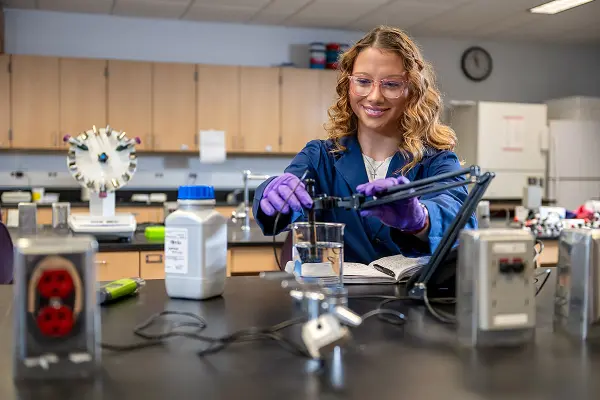
Will a college degree actually help me get the career I want?
Between stories about AI, changing job markets and rising college costs, it's understandable if you've wondered whether a college degree is still worth it.
Not because you're questioning the value of education entirely.
But because you're asking a more personal question:
"Will a college degree actually help me get the career I want?"
Maybe you've already started thinking about majors, career paths and the future you hope to build. At the same time, you've probably heard stories that make you pause. College graduates struggling to find jobs. Industries changing overnight. Predictions that artificial intelligence could reshape the workforce.
It can leave you wondering:
"What if I do everything right and it still doesn't work out?"
That's a fair question.
The honest answer is that no college degree can guarantee a specific job or career.
But for many students, a degree remains one of the most effective ways to expand opportunities, increase earning potential and prepare for a future that's difficult to predict.
According to 2024 data from the U.S. Bureau of Labor Statistics, workers with bachelor's degrees earn 66% more on average and experience 40% lower unemployment rates than those with only a high school diploma.
That's significant.
But the real value of college goes beyond a statistic.
The strongest college experiences help students develop not only knowledge, but also the skills, experiences and relationships that shape a career over time.
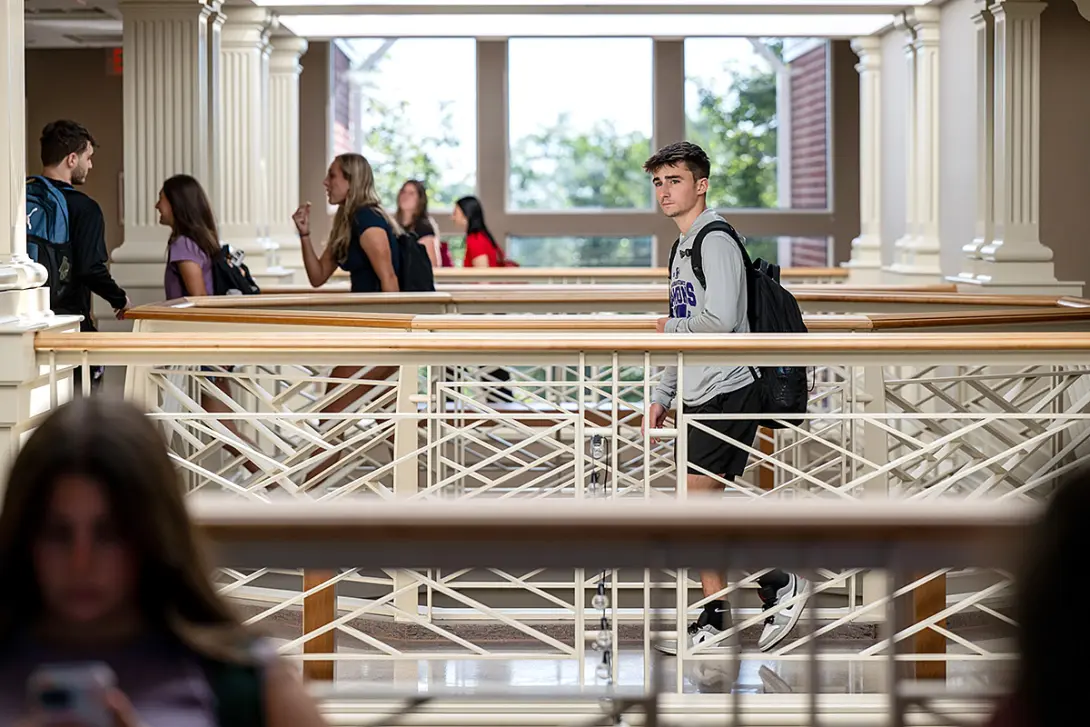
First, Think About the Life You Want to Build
Before we talk about careers, let's take a step back and talk about the life you're hoping to build.
When people ask whether a college degree will help them get the career they want, they're usually thinking about something bigger than a job title.
They're thinking about the kind of life they want to live.
For some people, that means financial stability and strong earning potential. For others, it means meaningful work, leadership opportunities, flexibility or the chance to make a difference in their community.
Take a moment to think about what matters most to you.
- Financial stability and earning potential
- Professional achievement and growth
- Flexibility and work-life balance
- Meaningful work that makes a difference
Your answers matter because different careers and educational paths lead to different outcomes.
It's also worth acknowledging that college isn't the right choice for everyone. There are successful people in the skilled trades, entrepreneurship, the military and many other paths that don't require a four-year degree.
But if you're considering college, don't think about it only as a way to get a job. Think about it as an opportunity to build a foundation for the life you want to live.

The Job You Want at 17 May Not Be the Career You Have at 30
If you already know exactly what career you want, that's great.
If you have no idea, that's okay too.
The reality is that most careers don't follow a straight line.
People change jobs. Industries evolve. New opportunities appear. Interests develop and priorities shift.
In fact, many of the professionals you know probably aren't doing exactly what they imagined they'd be doing when they were 17.
A student who starts college planning to become a teacher may eventually work in educational technology. A business graduate may become a nonprofit leader. An English major may end up in marketing. A nursing student may discover a passion for research.
Life has a way of leading you in directions you can't fully anticipate.
That's one reason choosing a college can feel overwhelming. You're trying to prepare for a future that hasn't happened yet.
The good news is that you don't need to know exactly where you'll be in 10 or 20 years.
Instead, you should look for an education that prepares you for a career journey, not just a first job.
The Bigger Value of College
When people talk about the value of college, they often focus on career preparation.
That's certainly part of it.
But some of the most important things students gain from college have less to do with a specific major and more to do with personal growth.
College helps students develop things like:
- Confidence
- Communication skills
- Critical thinking
- Leadership
- Relationships
- A sense of purpose
These qualities matter because employers aren't just hiring degrees. They're hiring people.
In the National Association of Colleges and Employers' Job Outlook 2026 survey, employers consistently ranked skills like communication, teamwork and critical thinking among the most important qualities they look for in new hires.
This is one reason many colleges require students to take courses outside their major. At first, it can seem unrelated. Why should a business major take history? Why should a biology student study philosophy?
The answer is that careers rarely exist in isolation. A strong liberal arts foundation helps students develop the communication, problem-solving and adaptability skills that remain valuable no matter how industries and careers change.
Consider two students who graduate with the same degree. One student attends class, completes assignments and earns the credential. The other student does those same things but also builds relationships with professors, completes internships, joins organizations, takes on leadership roles and actively develops new skills.
Both graduate with the same diploma, but they may leave college with very different opportunities.
That's because a degree creates opportunity, but your future is shaped by what you do with the opportunities in front of you.
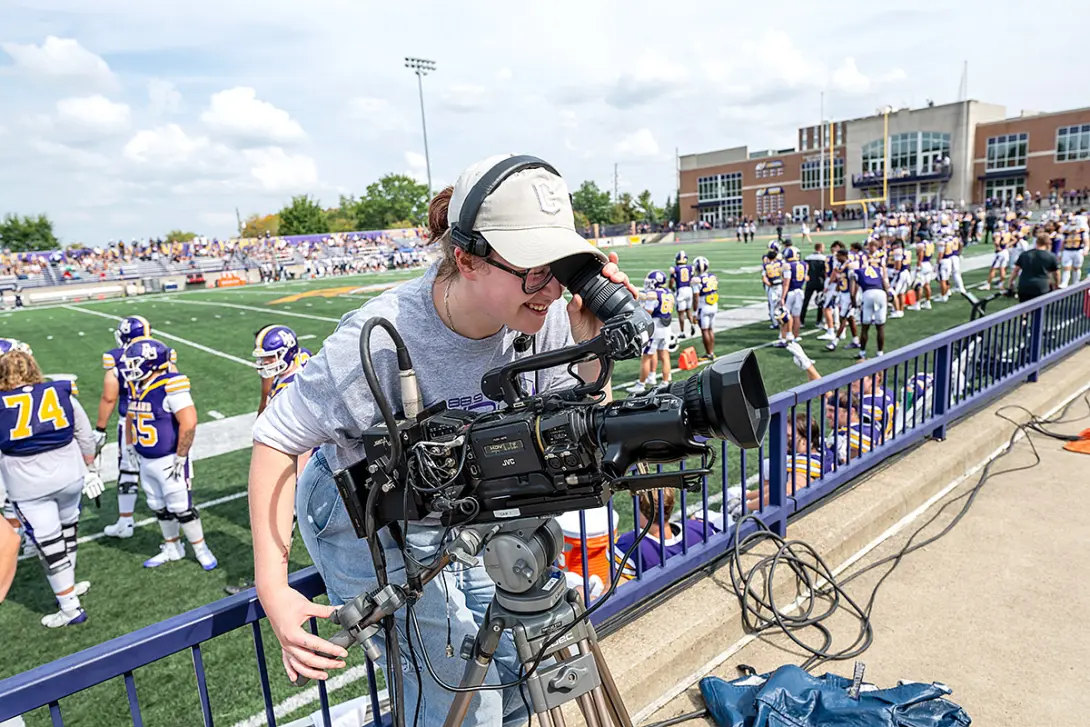
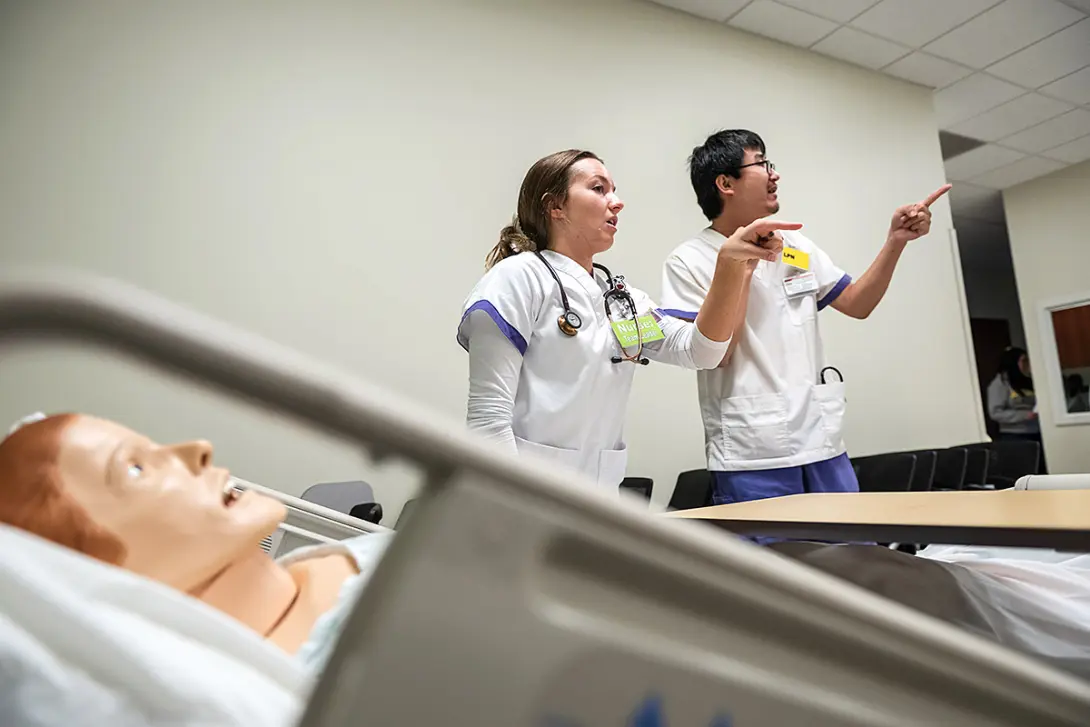
Internships, research projects, campus organizations, leadership roles and hands-on learning opportunities help students build skills, explore career interests and gain practical experience that employers value.
Education is not just preparation for a job title. It's preparation for life.

Tips for Choosing a College That Supports Your Future
So if a degree alone isn't a guarantee, what should you look for in a college?
The colleges that do the best job preparing students for long-term success tend to have a few things in common. As you compare schools, look beyond majors and rankings and ask deeper questions about the experience you'll have there.
- How early can students gain real-world experience?
- Are internships encouraged or built into the curriculum?
- What opportunities exist to apply classroom learning in real-world situations?
- How will you graduate with experience that demonstrates your skills to employers?
- Does the curriculum help students develop broadly applicable skills, or does it focus only on technical knowledge?
- What do graduates go on to do after earning their degrees?
The best colleges don't simply prepare students for employment. They help students become adaptable, capable and confident people who are ready for whatever comes next. For a full framework on evaluating these factors, see our guide to finding the right college.
So, Will a College Degree Help You Get the Career You Want?
For many students, yes.
A college degree can open doors, expand opportunities and help you build the knowledge and skills employers value.
But the greatest value of a college education may be that it prepares you for opportunities you can't yet see and challenges you can't yet predict.
The right college experience helps you develop the knowledge, skills, experiences and adaptability needed not just for your first job, but for a lifetime of growth.
You Don't Have to Navigate Your Future Alone
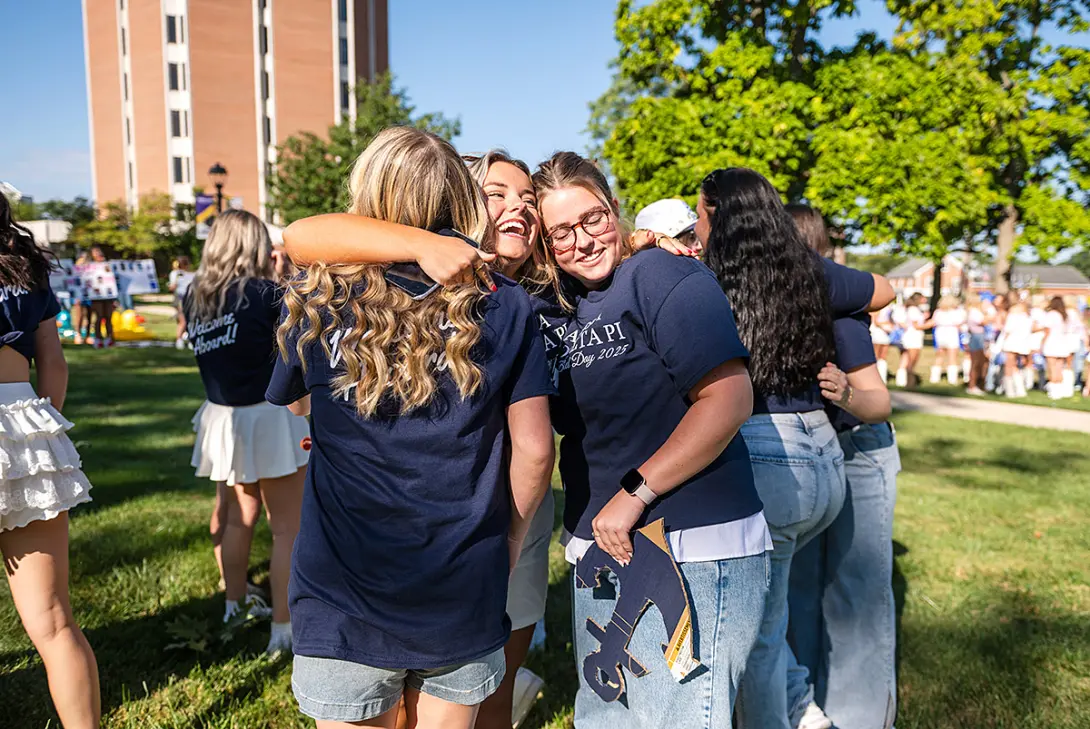
While colleges can't guarantee you a certain job, what they can do is provide the people, experiences and support that help students prepare for whatever comes next.
At Ashland University, students often cite personal attention from faculty as one of the strongest parts of their experience. In a 2025 student satisfaction survey of freshmen, both faculty mentorship and preparation for employment after graduation ranked among the university's highest-rated areas.
That's important because some of the most influential moments in college happen outside the classroom: conversations with professors, internships that reveal new interests and mentors who help students see opportunities they hadn't considered before.
Those experiences are difficult to understand from a website alone. They're much easier to evaluate once you step on campus and see them firsthand.
Schedule a Campus Visit
Meet faculty, explore campus and see firsthand how Ashland helps students prepare for meaningful careers and meaningful lives.
Explore Academic Programs
See how Ashland's academic programs combine classroom learning, hands-on experience and mentorship to prepare students for whatever comes next.