Call for Papers
Multi-disciplinary conference will be held Saturday, February 20, 2027 at Ashland University
Call for Papers: Due December 4, 2026
The Ashland Center for Nonviolence hosts an annual conference that brings together scholars and practitioners from a variety of fields to explore questions of peace, nonviolence, conflict, and justice. Our 2027 conference theme, “War and Peace,” aims to highlight both enduring questions and urgent contemporary concerns.
War remains one of humanity’s oldest and most persistent forms of organized violence. At the same time, the nature of war continues to change, as new technologies, geopolitical realities, economic pressures, environmental crises, and forms of political and social polarization reshape how conflicts are waged and experienced. From conventional warfare and civil conflict to cyberwarfare, economic coercion, and emerging technologies, the possibilities for violence continue to evolve.
Still more pressing are questions about peace: What does it mean to pursue peace in a world in which conflict and violence remain persistent realities? What conditions make peace possible, and what kinds of peace are worth pursuing? How do individuals, communities, nations, and movements work to prevent violence, resolve conflict, resist oppression, repair relationships, and build more just and peaceful societies?
Our “War and Peace” theme invites scholars and practitioners to examine these questions from a wide range of disciplinary and practical perspectives. We welcome work that considers the causes and consequences of war, the theory and practice of peacebuilding, the ethics of violence and nonviolence, and the possibilities and limitations of efforts to create a more peaceful world.
Possible topics for individual papers and panels include (but are not limited to):
- The causes, conduct, and consequences of war, including militarism, nationalism, and political violence
- The ethics of war and peace, including just war theory, pacifism, and nonviolence
- Peacebuilding, diplomacy, conflict transformation, reconciliation, and restorative justice
- The changing nature of warfare, including artificial intelligence, cyberwarfare, and emerging technologies
- The human and environmental consequences of conflict, including displacement, climate change, and the legacies of war
- The roles of religion, spirituality, education, the arts, and social movements in preventing violence and cultivating cultures of peace
Proposals from any discipline or field of practice are welcome. Both theoretical and practical approaches are encouraged, as are interdisciplinary perspectives that bring different approaches to the questions of war and peace into conversation with one another.
Submission Guidelines:
Abstracts of no more than 300 words should be submitted using the online submission form no later than December 4, 2026. Individual presentations should plan for 35 minutes with 10 additional minutes for discussion. Panel proposals are also encouraged.
Presenters are welcome to engage in academic or practical debates but should avoid unnecessary jargon and be mindful that our audience includes scholars, students, community members, and practitioners from a wide range of disciplines and backgrounds.
For more information on the Ashland Center for Nonviolence or for questions related to the conference, please contact acn@ashland.edu or (419) 289-5313.
The Spirit of Peace
11th Annual John D. Stratton Conference
Saturday, March 21, 2026
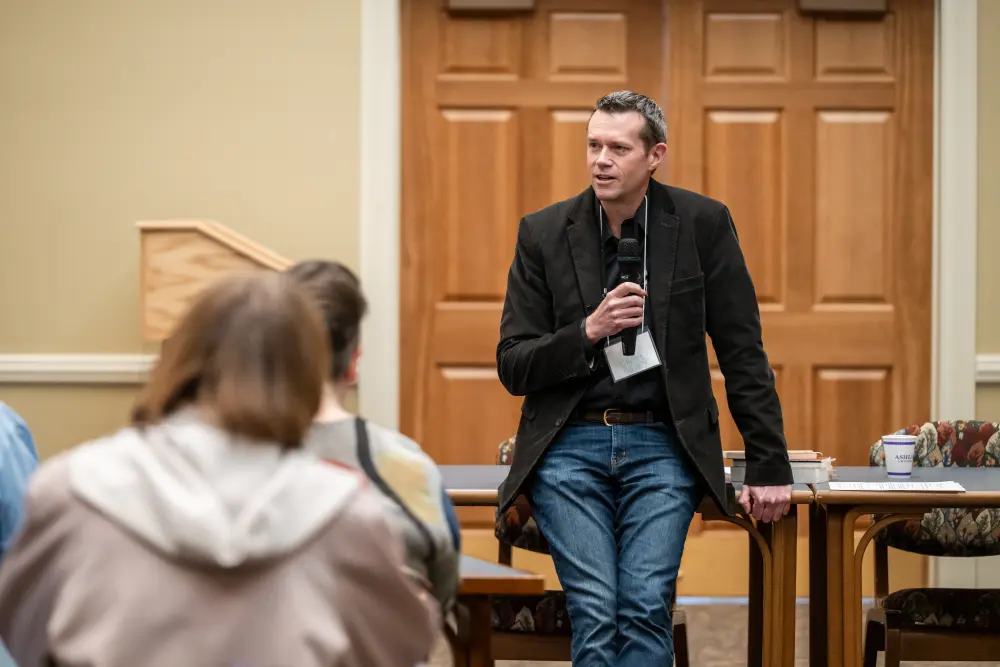
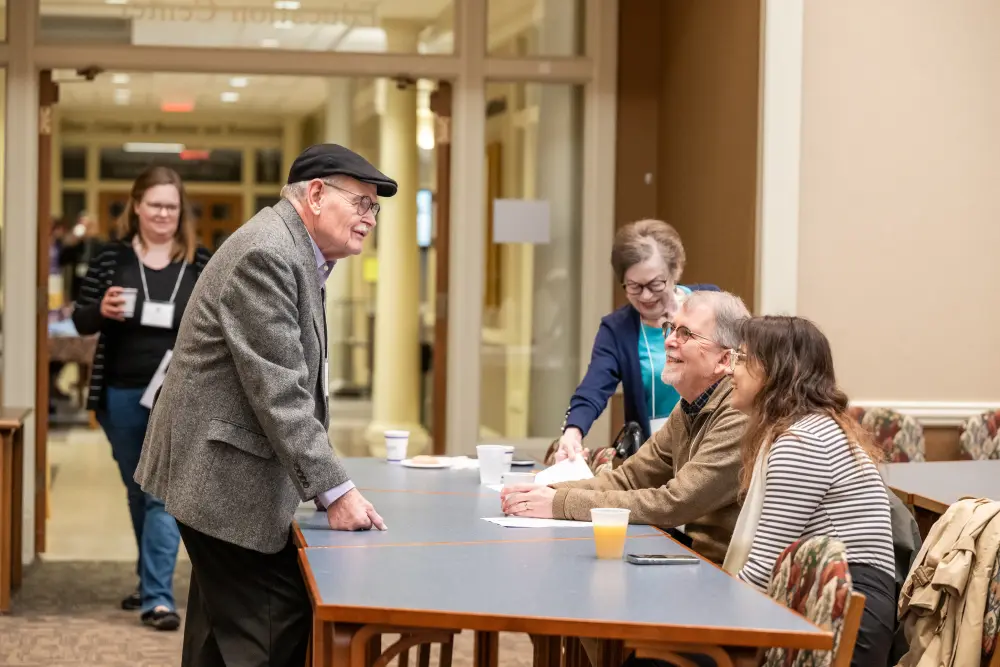
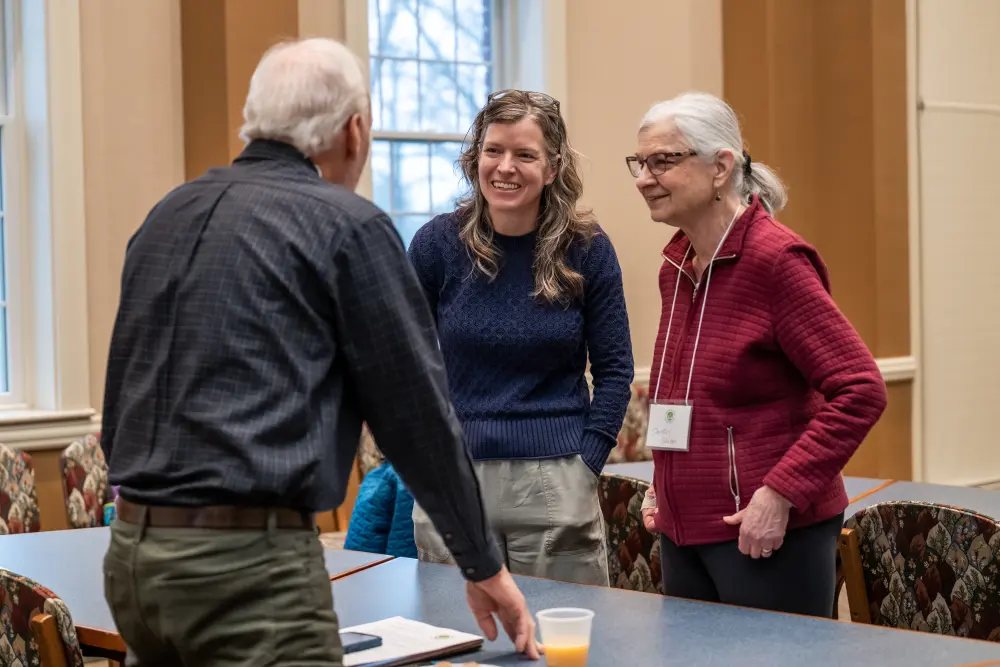
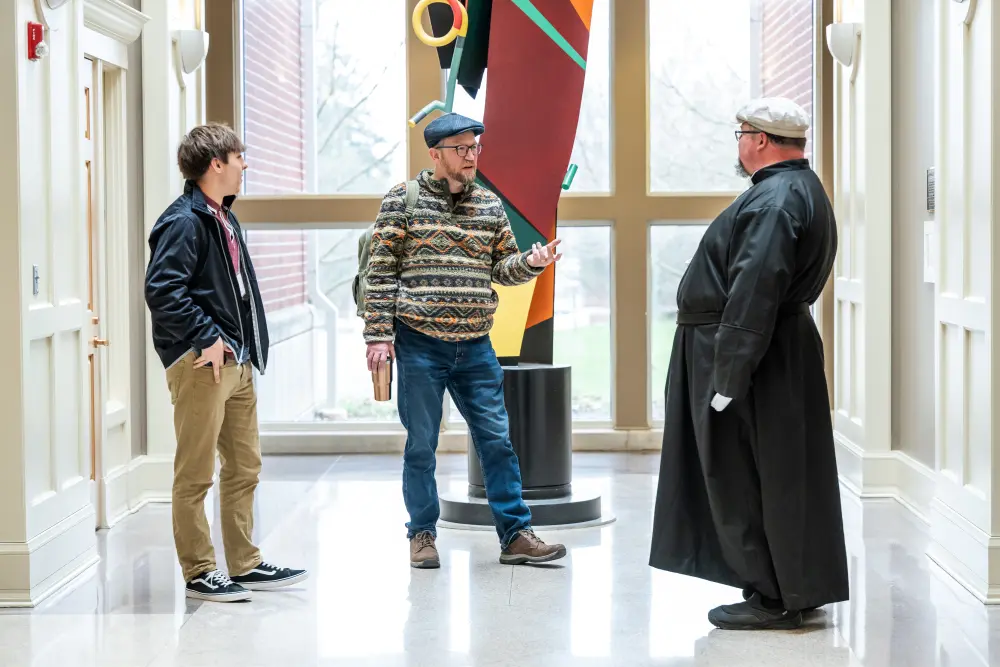
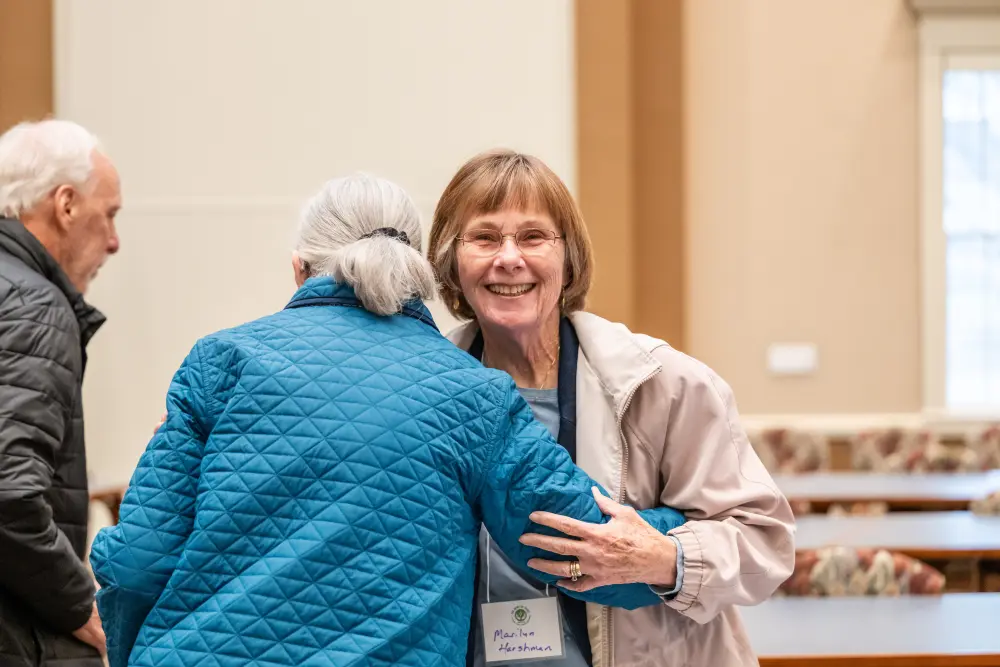
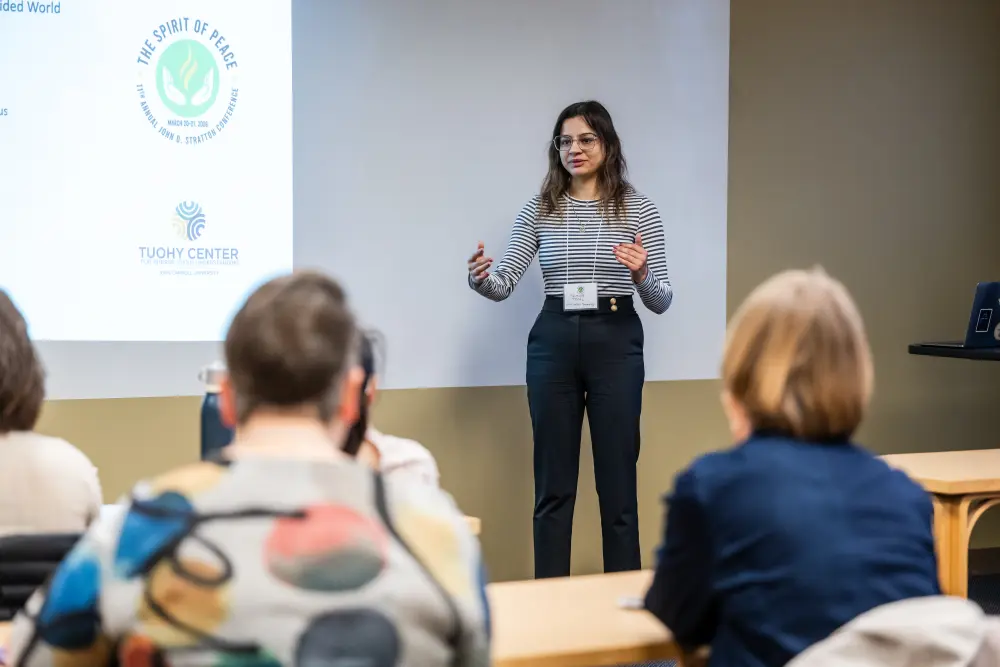
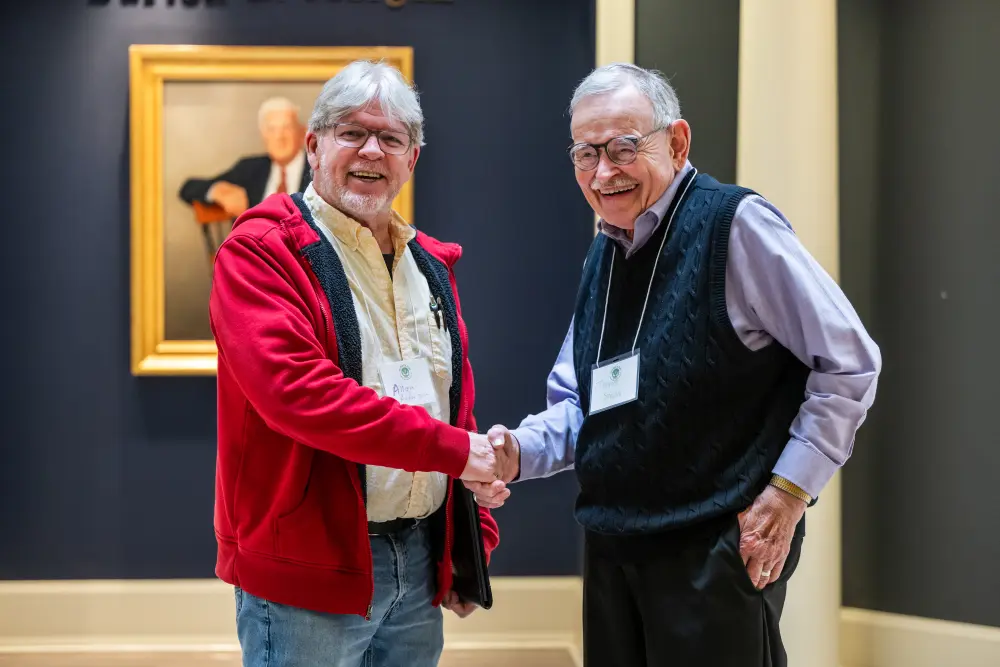
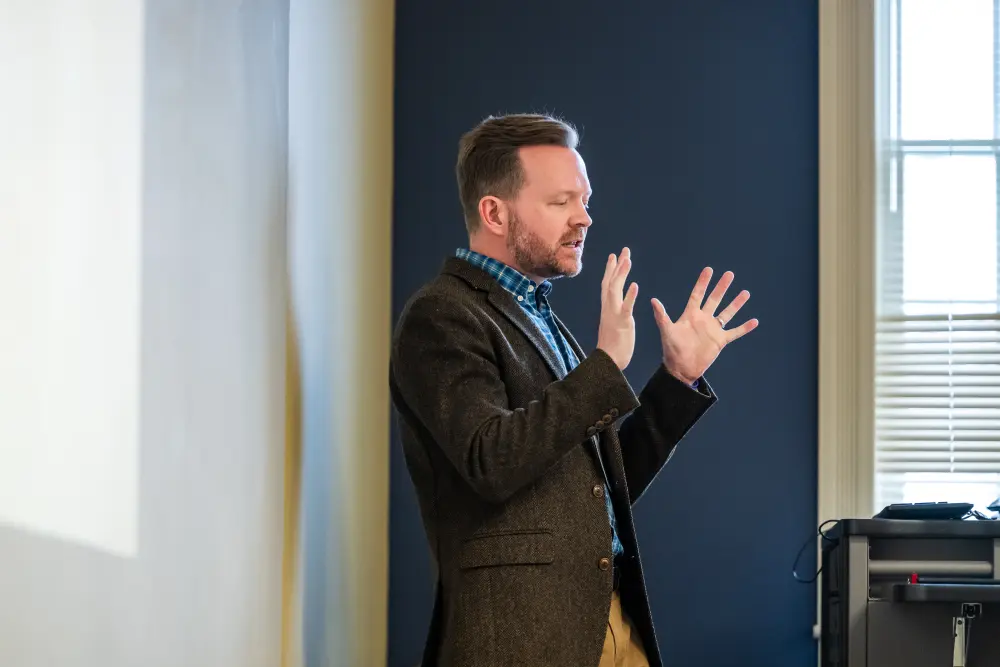
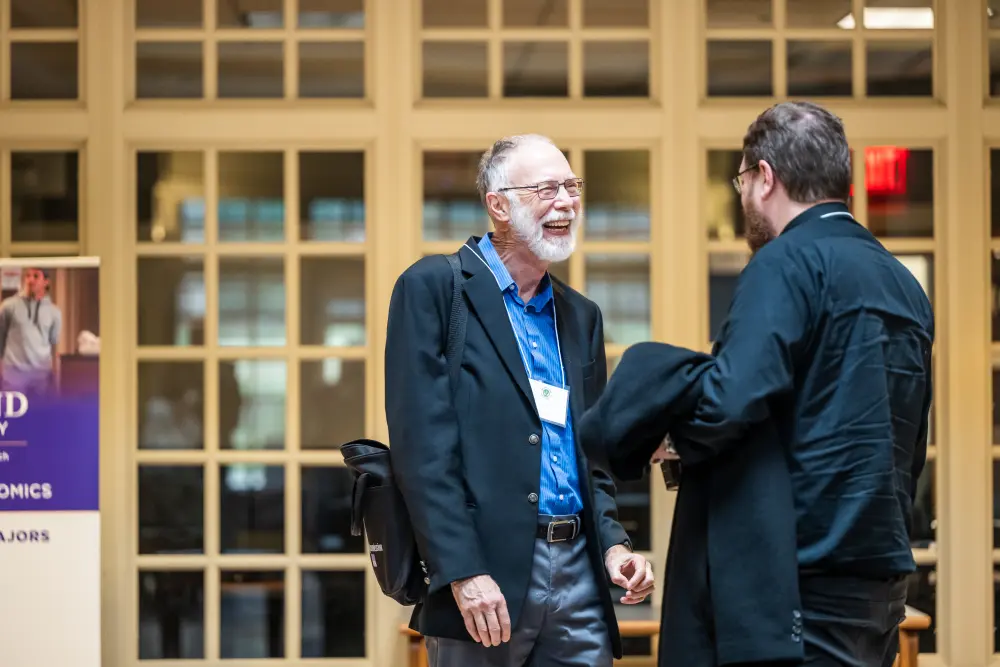
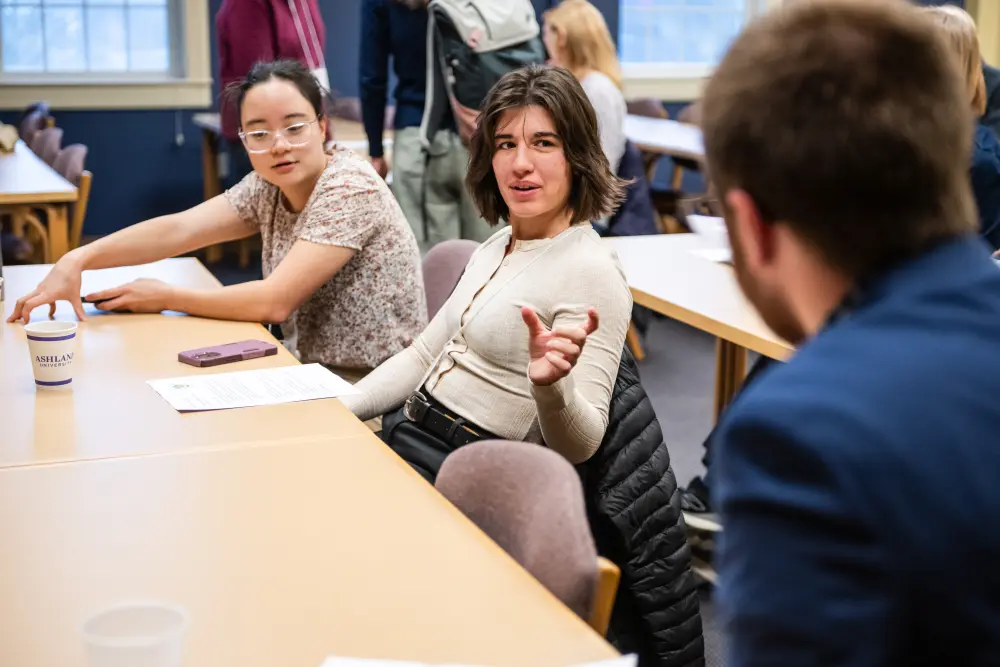
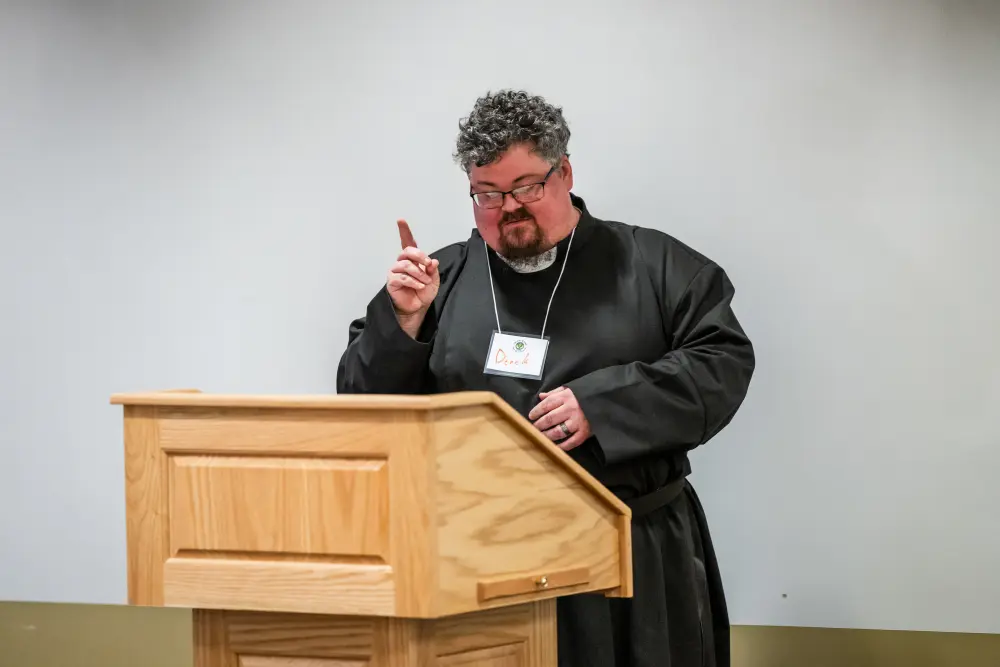
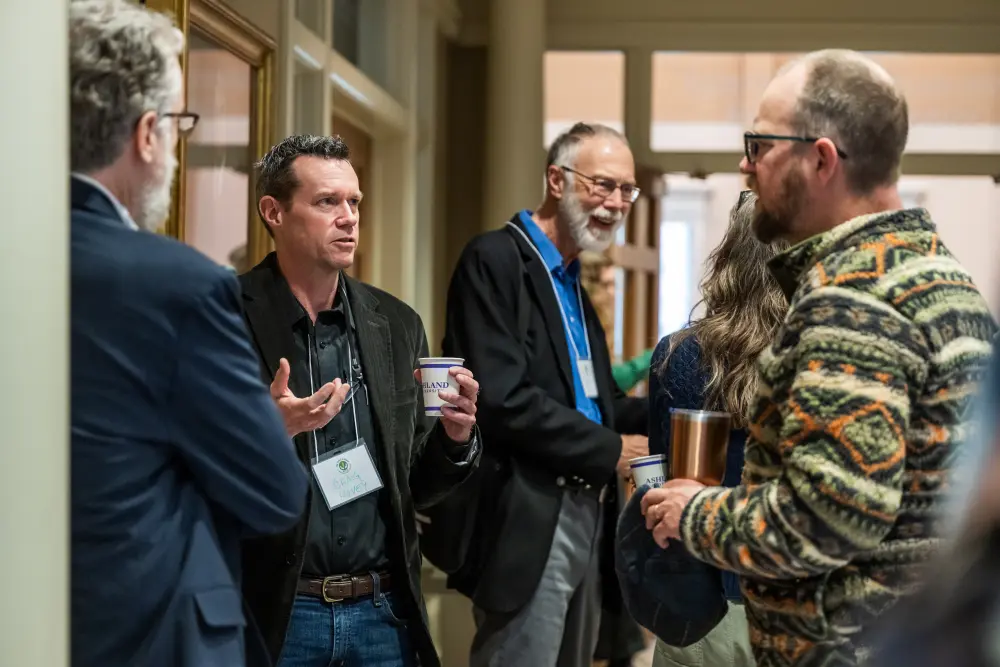
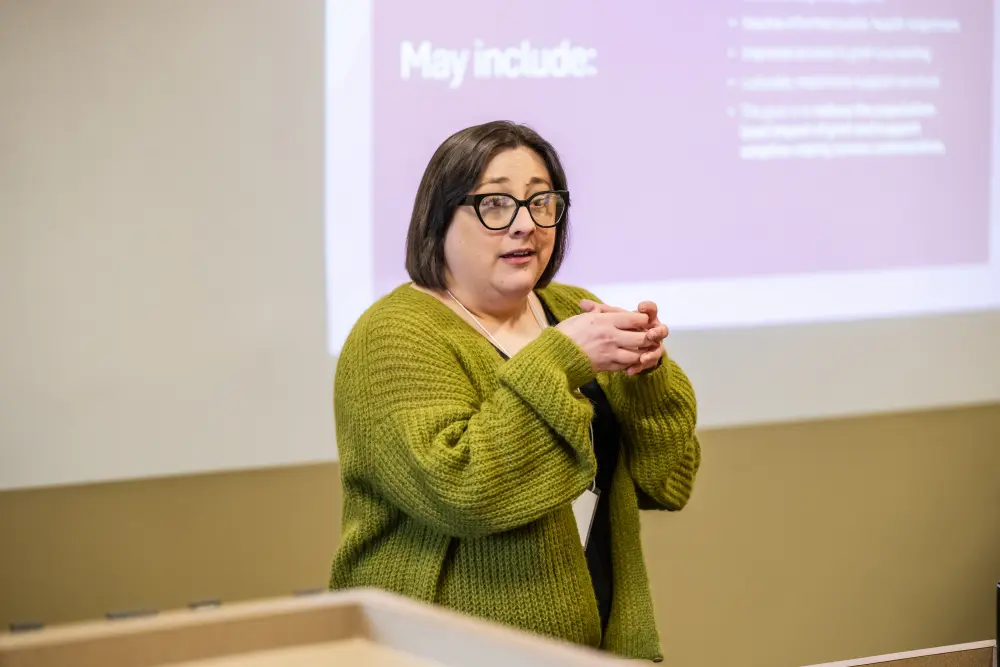
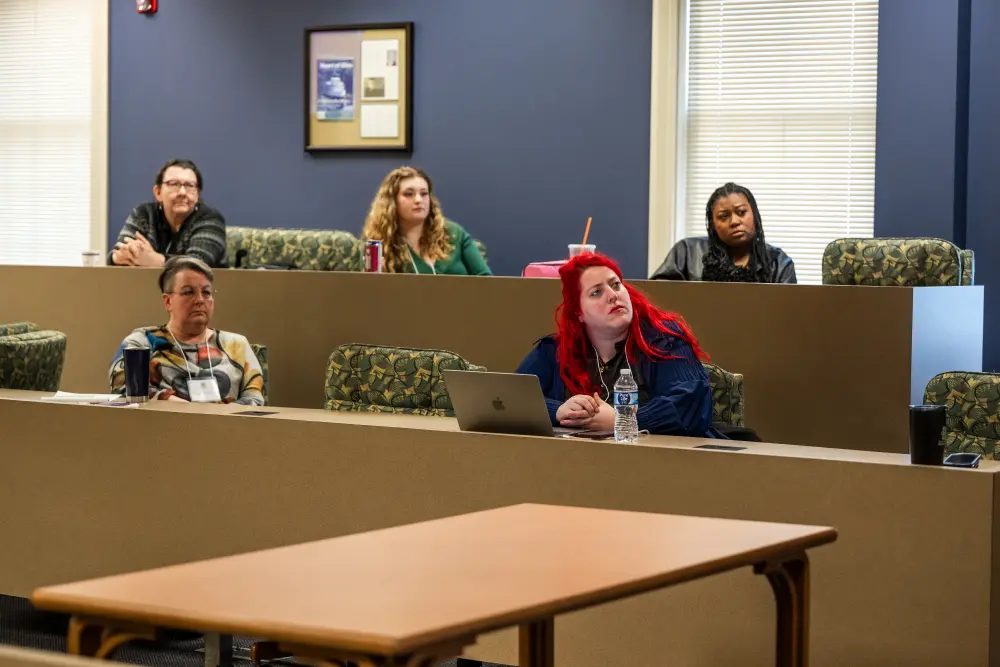
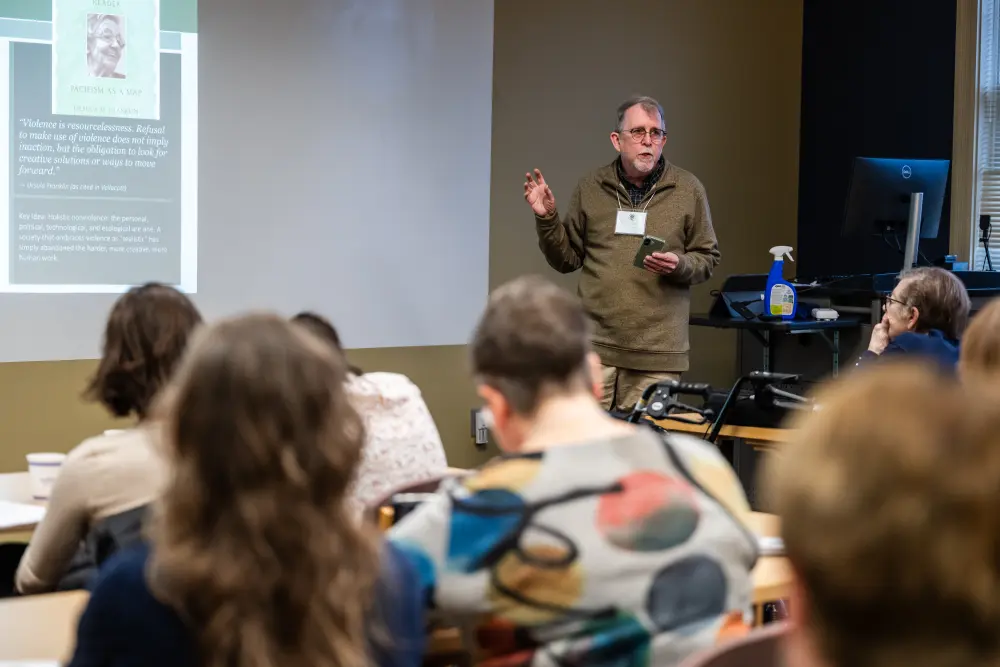
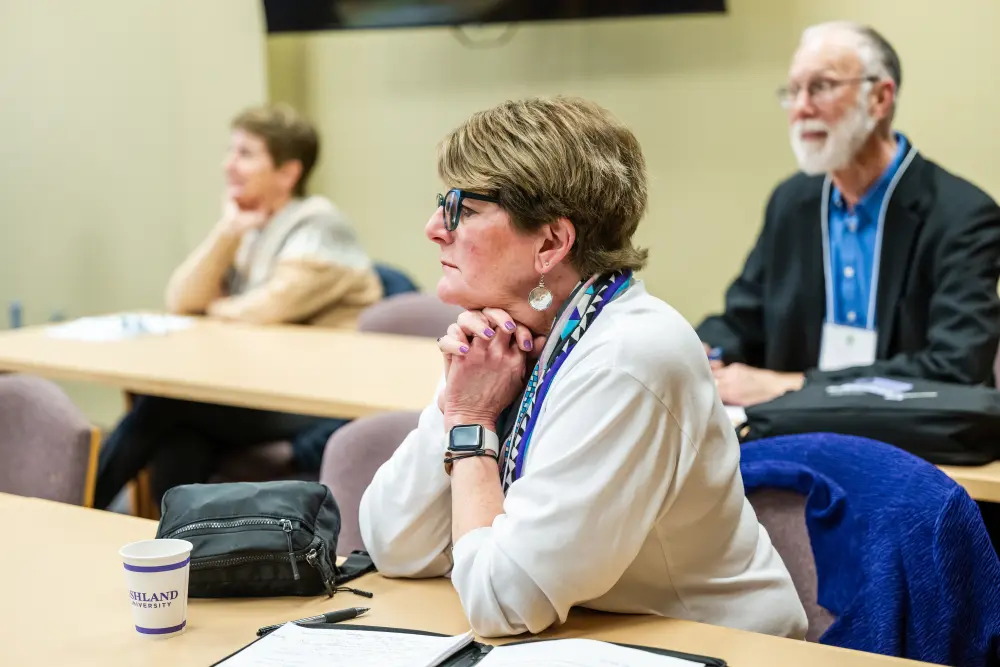
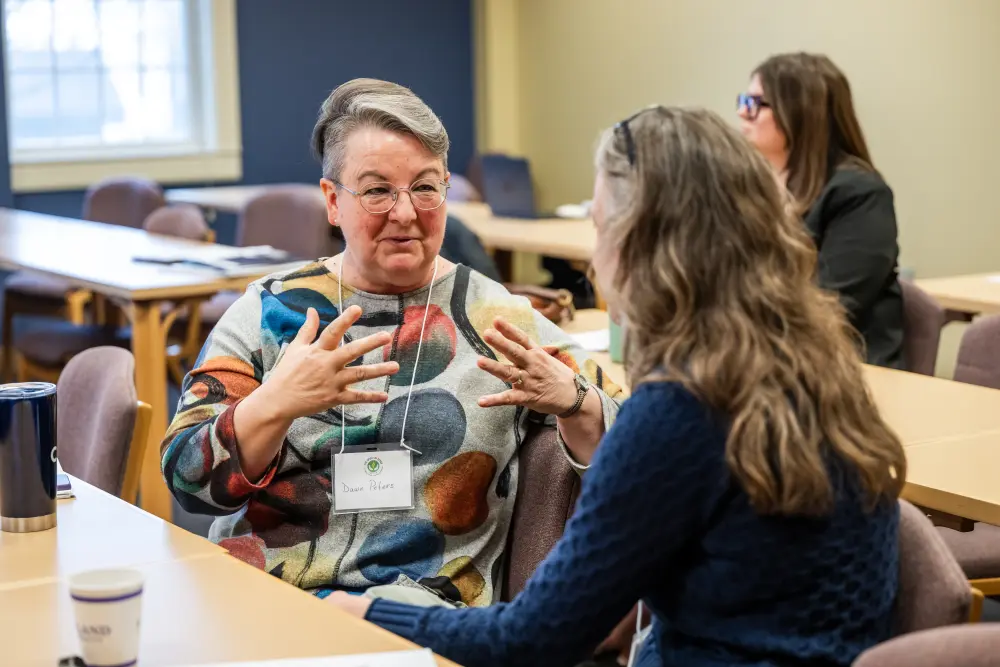
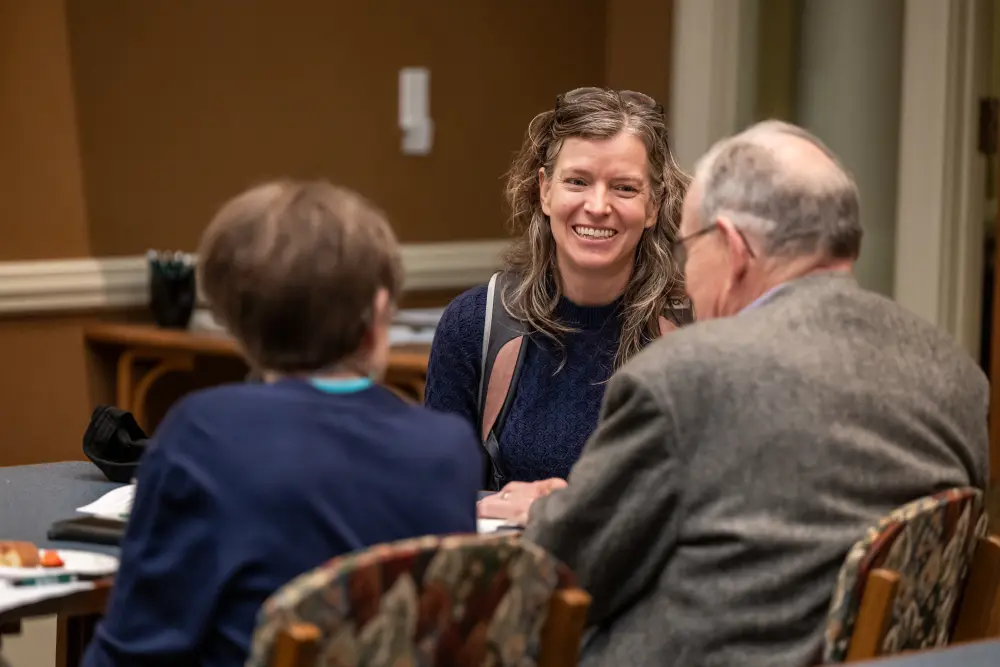
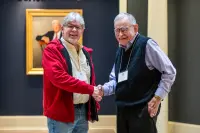
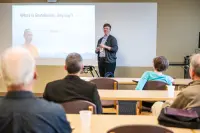
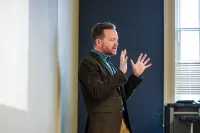
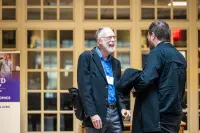
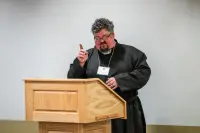
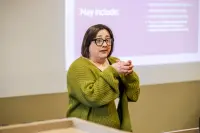
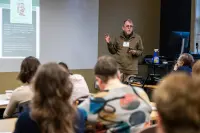
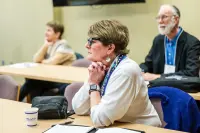
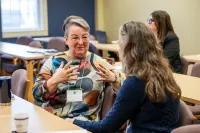
The Ashland Center for Nonviolence (ACN) at Ashland University hosted the 11th annual John D. Stratton Conference on Friday and Saturday, March 20-21, 2026. This year’s theme was “The Spirit of Peace.”
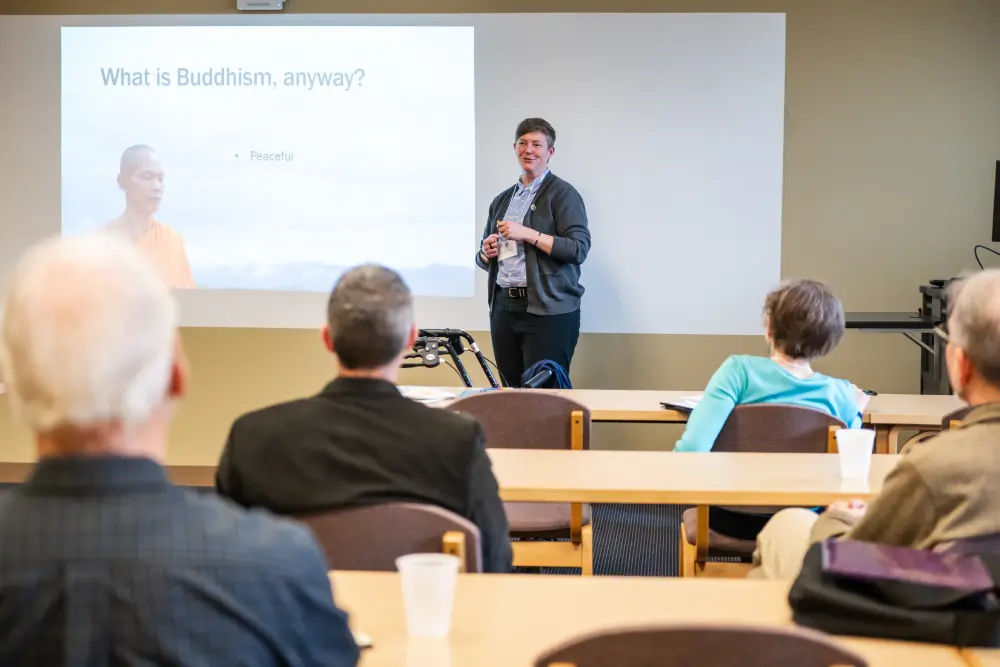
This conference explored how spiritual, religious, and contemplative traditions understand, articulate, and display peace commitments. While many contributions to peacemaking arise from political, legal, and scientific efforts, enduring global movements have often drawn their deepest strength from spiritual sources: practices of prayer and meditation, prophetic traditions, rituals of healing and forgiveness, and visions of interconnectedness and beloved community.
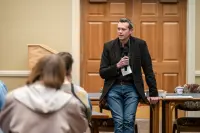
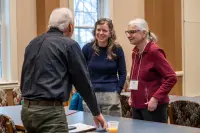
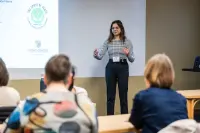
The conference was kicked off on March 20 by an inter-religious panel discussion, and there was an all-day academic conference, featuring a series of presenters and workshops across disciplines on March 21.







Past Conferences
Peace through Peaceful Means